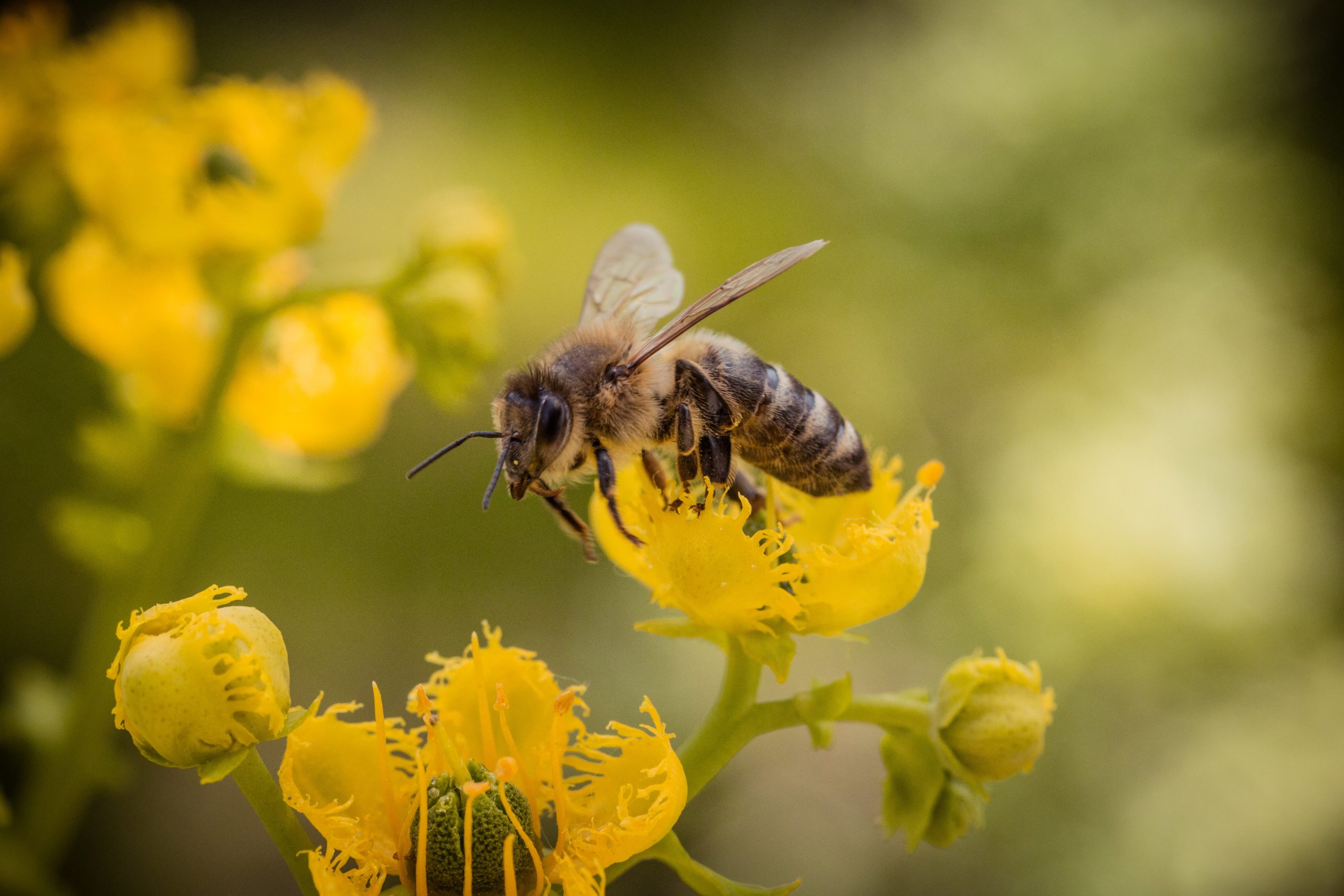
Keeping bees can be an enjoyable and relaxing hobby – with benefits! Not only will you be able to harvest honey from your own hive – which is so amazing! You will also get great pollination services for free – giving you better blooms, potentially from your food garden and the satisfaction of knowing you are helping one of the world’s most important species.
Bees pollinate more than 10 different food crops including many fruits and vegetables that might be grown in a productive home garden so keeping a healthy hive can certainly help.
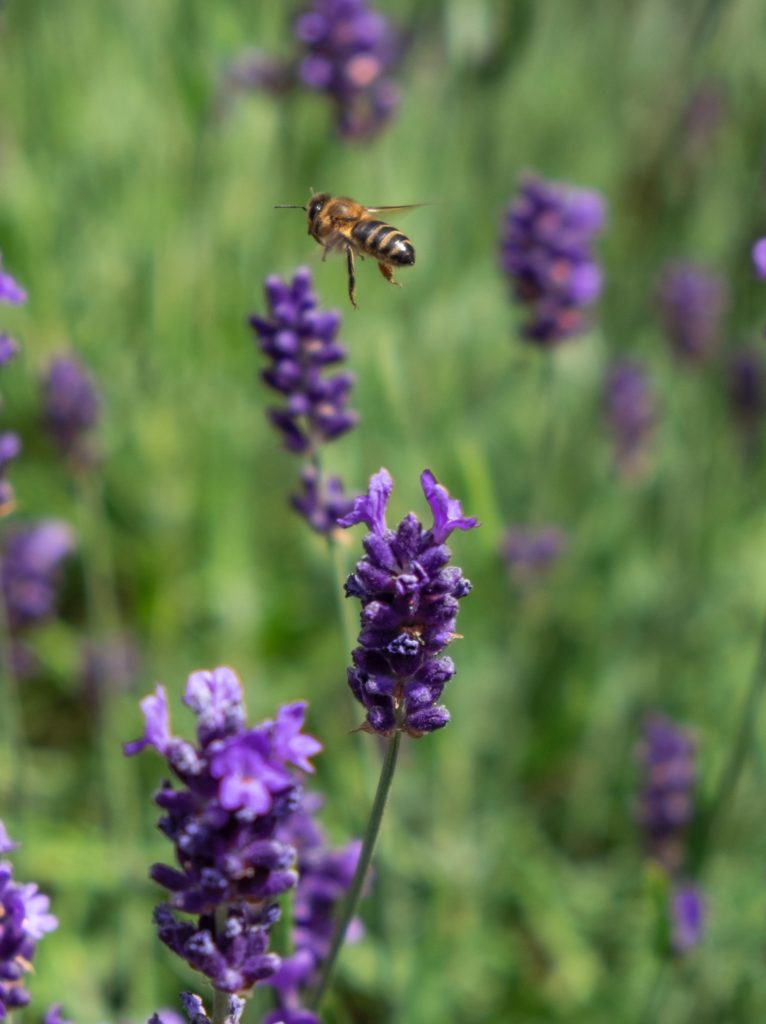
Apis mellifera is the common honey bee that lives in colonies and has been managed by beekeepers for their honey and to assist pollination, both as hobby beekeepers and professional apiarists.
If you are considering a hive for your backyard, block or acreage here are my top 5 tips for getting started
1. Learn all you can about keeping bees
As much as I love YouTube, I don’t recommend just binge watching a videos on YouTube before you get started. If there is an adult education organisation near you, then have a look at their course offerings and enrol in a 1 or 2 day beekeeping course.
Look for a course which teaches you the practical steps in establishing a hive as well as identifying what is going on in the hive and learning to identify any diseases which may threaten the hive.
You will also practical hands-on experience of working a hive. And you will most likely make good contacts with other budding beekeepers, as well as the tutor. Go along with the intention of gathering useful information about where and from whom to buy your bees, how to obtain your equipment and other useful resources. It is worth the investment.
2. Build or purchase your hives
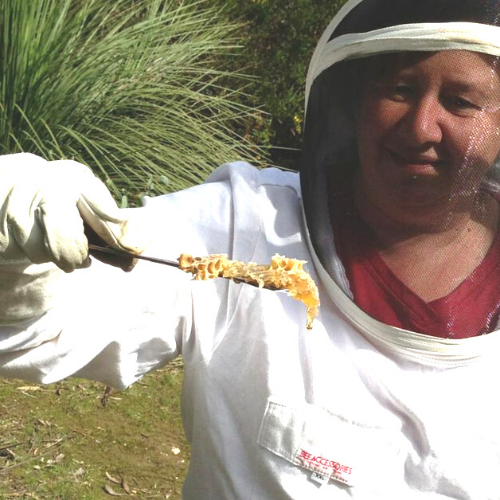
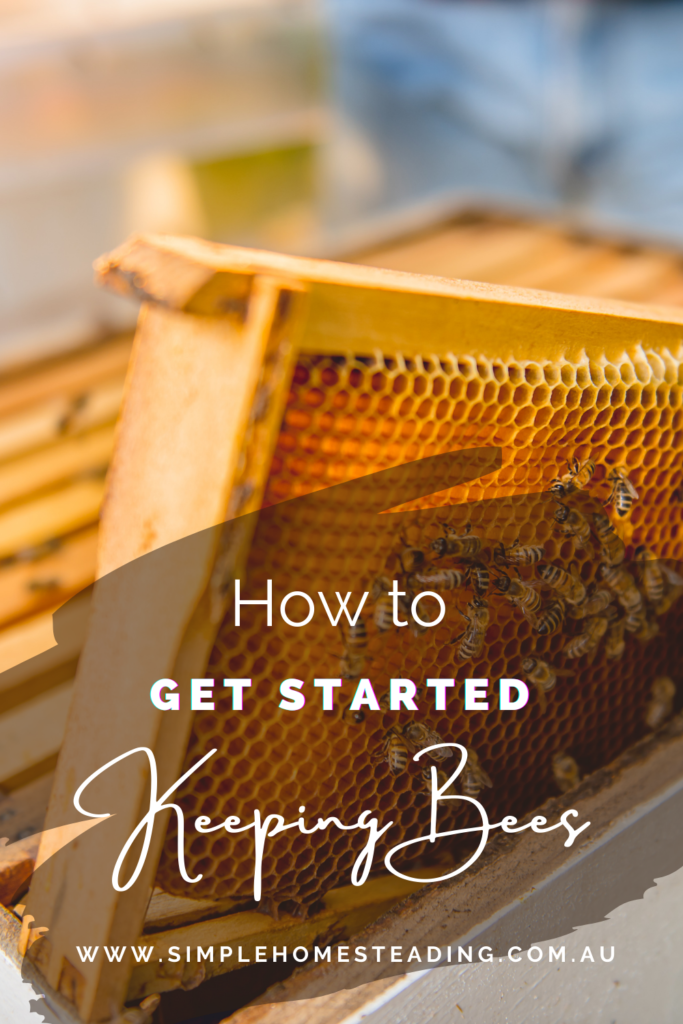
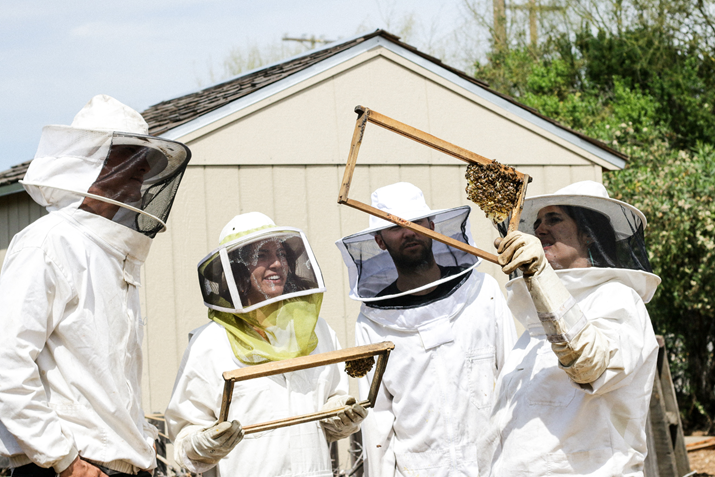
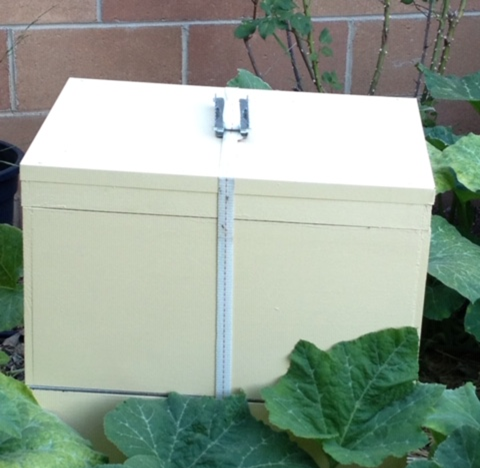
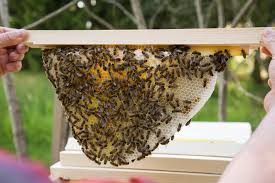
There are several different types of hives available that can help you in keeping bees and managing their hive. Langstroth hives are the traditional hives with 9 or 10 frames in boxes (frames like in the picture above). Here’s my nestled in amongst my pumpkin vines (amazing pollination that year). Generally a Queen Excluder is used to separate the brood box from the honey box, making collection easier on the humans managing the hive.
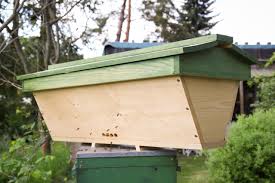
There are also top-bar hives which you might consider as an alternate way of managing the hive. They allow the bees to build more naturally shaped comb and can also accommodate a lot more frames than a Langstroth hive, meaning less maintenance.
The down side is that should the hive become infected with a disease, there is a lot bigger impact to more frames.
A good beekeeping course should discuss the pros and cons of each type of hive and give you the opportunity to consider which approach you prefer.
Irrespective of which type of hive you choose, I always recommend keeping more than one hive. With at least two hives you can compare how healthy and strong they are.
And should you happen to get a disease in one, you still have another from which you can harvest honey. You can also split the healthy hive to create another colony should you need to.
3. Get the right protective clothing and equipment
You will see people opening hives on YouTube without protective clothing, (no gloves or perhaps wearing short sleeves) and not getting stung. As a beginning beekeeper this will not be you. It takes years of experience to get to this level of knowing and working with bees. This video is a really good introduction to show you inside a hive, so it’s worth a look.
When I say get the right protective clothing I am speaking (or is that writing?) as someone who, on one occasion, was stung over 30 times in one event, ended up have an ambulance take me to the local hospital and now have to carry an epi-pen filled with adrenaline in case it happens again.
And that was while I was wearing protective clothing! (Unfortunately I thought a bee had flown inside my suit so I removed my visor and that was when the real incident occurred – if I had left my protective gear in place the damage would have been very little, if any – I am still not sure to this day if there actually was a bee inside my suit or if it just seemed that way.)
Full arm and leg length suits will have elasticated wrists and ankles and a zip on hood with mesh visor at the front. You will also need to get good quality leather gloves. I wear kid leather as it is harder for the bee sting to penetrate – although it has happened to me once – she must have been very upset with me.
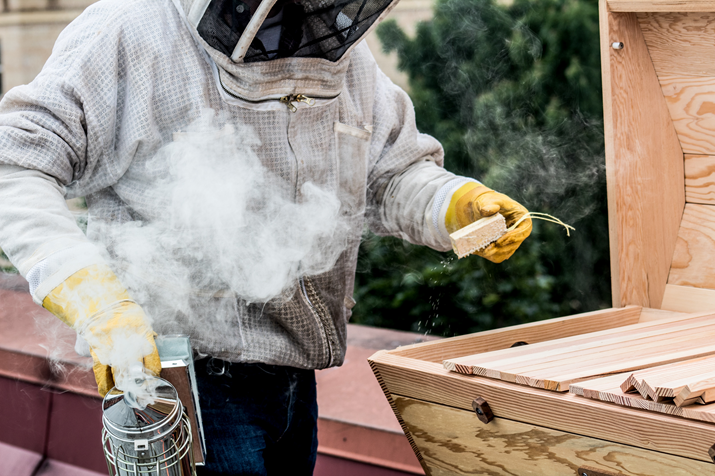
I always recommend wearing a baseball style hat under your visor too – it helps keep the visor off your face and makes it more comfortable. If you have long hair, tie it up before putting on your hooded visor – if it gets in your eyes it is difficult to move it out of the way under the visor.
Invest in a quality smoker to smoke the hive before and during your visit to the hive. A good smoke will calm the bees by suppressing the alarm pheromone given off by the guard bees and you will be less likely to be stung. The day I got stung? We didn’t smoke the hive … ALWAYS smoke the hive.
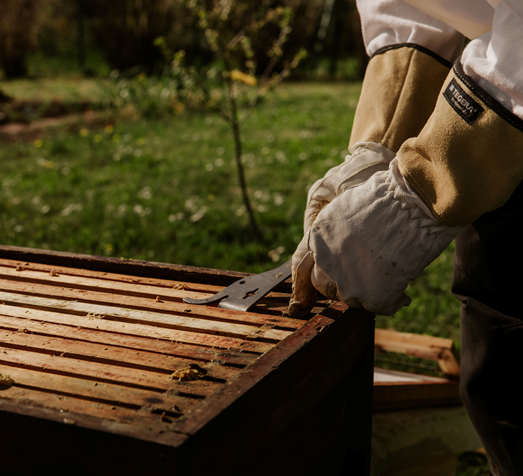
You will also need a good hive tool, to help bring out the frames and a brush for removing the bees from the frame helps keep the bees with the hive.
4. Find the right bees
When you are beginning I recommend buying a small nucleus of bees with a Queen already in place from a reputable beekeeper. Ask around and find a beekeeper who breeds quiet bees near you. This is preferable to finding a wild swarm and taking it home.
You never know what you are getting with a swarm, so the cost of purchasing from someone who has been keeping bees for a while is worth it – you are much more likely to enjoy them if they are quiet and well-behaved!
We keep Liguarian bees because they have a reputation for being very quiet. In our Mediterranean climate, Liguarian bees do well – they originated from Italy – with a similar climate to ours.
The type of bee you end up keeping will depend on which part of the world you are in. Different types of bees will do better than others in your climete. My nephew who lives in Sweden keeps Artic bees which are much better suited to the cold climate, long winter nights and short summers. Liguarian bees would likely not survive in that climate.
When sourcing your bees, make sure they come from more than 5km away. Any closer and you risk them going back to their original home as their navigational system will take them there instead of to their new hive.
5. Check the bees regularly
Once the bees have been introduced to the hive leave them alone for a couple of weeks to settle in. The best time of year to get a new hive is late winter or spring.
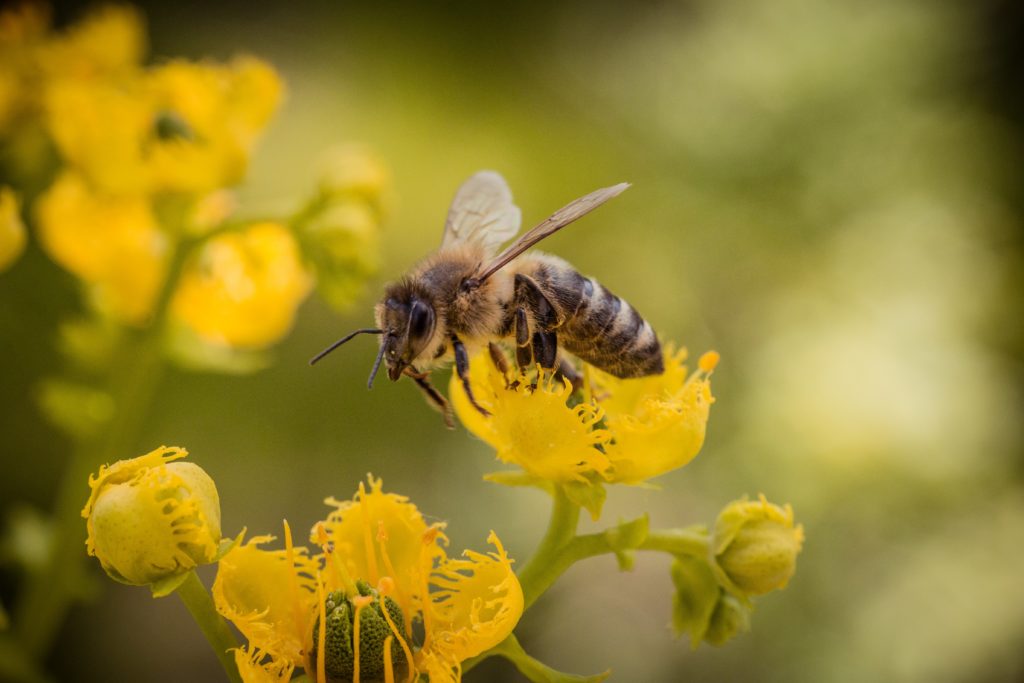
It’s a good idea to introduce them to your hive when you have plenty of flowers with pollen and nectar for them.
As they settle in they will fly further and further from the hive to forage, so it is a good idea to have something close-by for them in the first few weeks.
As a beekeeper, you will start to watch, with great interest, the flowering around the hive, whether you are in an urban or rural setting.
In an urban environment you can often rely on neighbouring properties to provide food for your bees too.
In rural areas, you may be more reliant on what you have on your own property. Take notice of when things are in flower and notice if there are any gaps – ideally you want something flowering at every time of the year. If you find gaps, then consider planting something that will flower during the time you have a gap.
The beekeeper I learnt from always told me to check the bees at least 6 times a year – from the last month of winter (August in the Southern Hemisphere and February in the Northern Hemisphere) through to the last month of Autumn (May in the Southern Hemisphere and November in the Northern Hemisphere). On average if you check the bees every six weeks you will be able to notice the development in the hive, check for honey flow, know when to put a new honey box on top of the brood box and when to harvest that liquid gold.
Becoming a beekeeper is one of the noblest pursuits one can consider as far as I’m concerned. Caring for an endangered species which is so important to human civilisation is a privilege and a service.
And the pollination you will get in your food garden along with the flavour of honey straight from the hive will amaze you and reward you for the effort of keeping bees!