Rhubarb (Rheum rhabarbarum) is one of my favourite summer staples for desserts. Stewed with apples, or served with ice-cream it can be a refreshing healthy change from stone fruit.
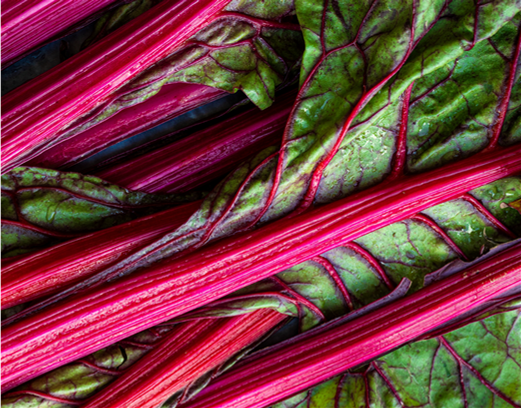
A herbaceous perennial which originated in China is grown for its attractive succulent rose red, edible leafy stalks, and is one of the lowest calorie plants you can eat. The stalks are rich in several B-complex vitamins such as folates, riboflavin, niacin, vitamin B-6 (pyridoxine), thiamine, and pantothenic acid as well as Vitamin K, iron and can help the body convert inputs to Vitamin A.
While you can buy stalks of rhubarb at your local farmers markets or even in the supermarkets, during the warmer weather, they are easy to grow and, once established, will keep on giving you stalks of health for many months across the warmer times of the year as long as you keep the water up to them.
How to Grow Rhubarb
You can grow rhubarb from seed, but you will have to wait longer to harvest the stalks. If you can find crowns in your nursery or from a friend, then you will be harvesting rhubarb next summer!
Rhubarb crowns are established plants that are already at least one year old and will produce a crop in the harvest season after planting – much sooner than rhubarb plants that are grown from seed. You may also be able to obtain ‘Budded pieces’ are simply a portion of an established crown which can be cropped two years after planting, so you will have to wait a little longer.
Choosing the Right Variety
There are many different varieties of rhubarb to choose from. They need a winter chilling period in order to produce the best crops so don’t do very well in tropical areas. A healthy rhubarb plant will remain productive for 10 years or more so are definitely worth putting in the effort.
Talk to the people at your local nursery to find out which are the best varieties for your location, or if you can obtain a crown from a friend who has rhubarb then you will know it is tried and tested.
Where to Plant Rhubarb
You can easily grow rhubarb in a pot or in the ground, either way, plant them in a sunny spot which receives at least a little afternoon shade. Rhubarb plants have big root systems so if growing them in pots, use large pots which will hold at least 40 litres of soil to be sure of producing a decent crop.
Rhubarb has large green leaves (which are poisonous) that will tolerate hot spells, but it will be happier if it gets some shade to off-set the fierceness of an afternoon westerly sun.
Looking after Rhubarb
Feed your rhubarb regularly and you will get plenty of stalks coming up. I use a weed tea (for more information on how to brew weed tea, click here) on a fortnightly basis and it keeps the rhubarb happy and productive. Do not harvest any stalks during the first growing season so that your plants can become well established.
When harvesting the stalks in the second growing season, always leave two or three stalks untouched so the plant can continue to photosynthesise and grow. If you take all of the stalks in one hit, you may well cripple the plant to a point from which it cannot recover – all things in moderation!
Some people advocate for not harvesting the stalks until they are 12 to 18 inches long, but shorter stems will produce the same flavour if you just can’t wait. When taking the stalks, cut them carefully at the base, about one inch up the stem and cut the leaf off of the stem as soon as possible.
Though the leaves are poisonous, you can add them to your compost if you have a nice hot pile which will break them down as the poison won’t be transferred to the resulting composted matter.
If you don’t have a hot enough pile, then, bury them in the ground for them to break down and return their nutrients directly back to the soil.
Some easy maintenance will keep your plants producing for many years.
In spring, remove rhubarb flowers as they appear. This will direct the plant’s energy into growing tasty stems instead of flowering and setting seed. Rhubarb plants will also appreciate a regular feed of organic weed tea, or other water soluble organic solution.
During summer, make sure you water rhubarb plants during dry periods to prevent the soil from drying out. Rhubarb that is grown in containers will need to be watered much more often in order to keep the compost and soil moist.

When the leaves die back in autumn (Fall), simply cut back the old rhubarb stalks to leave the buds exposed to cold winter weather. Apply a mulch of well-rotted animal manure around the crown of the plant.
This will help to conserve moisture in the soil and keep the weeds down, as well as feeding the plants for the following growing season. Take care not to cover the crown as this may cause it to rot.
Every 5 or 6 years you will need to lift and divide rhubarb crowns to maintain their vigour and ensure that they remain productive. This is best done in the winter dormant period.
Use a spade to lift each crown before splitting it into 3 or 4 pieces and replanting them separately. Make sure that each piece has a healthy looking bud which will become the growth point for next year’s new shoots. If you have too many, consider sharing them with a friend.
Harvesting and Eating Rhubarb
Once you have harvested your rhubarb, you can cook it up with a bit of water and some sugar, it will be quite tart if you don’t include some sugar in your stewing regime. Of course adding sugar will add to the calories, so add just as much as you can tolerate or add plenty if you like it really sweet.
You can stew it on its own, or add some apples for a little bit of variety. Once you have your own rhubarb plant producing in your garden you can experiment with how you like to stew it and how much sugar you want to include.
Serve it hot with ice-cream, thick dollop or double jersey cream. Or add some crumble topping made up of equal parts of sugar, rolled oats, coconut and butter all rubbed together or run through the food processor for about 30 seconds.
Heat this in a moderate oven for around 30 minutes and you will have yourself some delicious rhubarb crumble which will have your family and friends going back for seconds.
For something different, why not try making rhubarb lemonade, thirst quenching for a hot day and healthy as well.
Rhubarb Lemonade

A quick zesty, refreshing drink for summer – easy to make, easy to drink!
- Large Saucepan
- Fine Sieve
- Funnel
- Flip Top Bottle for Storage
- 8 cups Rhubarb (Chopped)
- 3 cups White Sugar ((or substitute with 1 cup honey if you prefer))
- 2 tbsp Lemon Peel (Grated)
- 1.5 cups Lemon Juice
To make the lemonade, combine the rhubarb, sugar, and grated lemon peel into a large saucepan and bring to a boil.
Reduce heat to medium-low and simmer until the sugar has dissolved and the rhubarb releases its juice and starts to break up, about 10 minutes.
Remove from heat and stir in the lemon juice.
Pour the rhubarb mixture through a fine sieve, pressing out as much liquid as possible.
Using a funnel, pour the juice into airtight bottles and store in the refrigerator before use.