Preserving surplus summer fruits without refined sugar can be quite easy and enjoyable. First, dehydration helps keep the fruits shelf-stable by removing moisture, preventing spoilage. Just wash and cut your ripe fruit, apply a bit of lemon juice if needed, and then dry until crisp.
Next is fermentation. By submerging desired fruits in a salt brine and allowing them to ferment at room temperature for days or weeks, you can create tasty probiotic-rich treats that last in the fridge for months.
Lastly, making fruit leathers involves pureeing your choice of fresh fruit before drying it into a chewy snack that’s perfect for on-the-go munching or lunch box filling.
TL;DR: Discover three easy methods to preserve surplus summer fruits without refined sugars. Dehydration removes moisture, keeping fruits fresh for months. Fermentation enhances flavour and nutrition through beneficial probiotics. Fruit leathers offer a chewy, sweet snack option, using ripe fruits without added sugars. Enjoy your summer harvest all year round!
1. Dehydration: A Simple Way to Keep Fruits Fresh
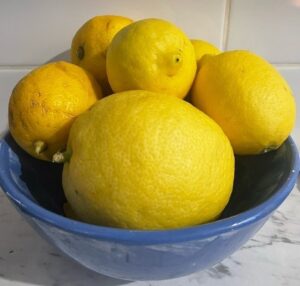
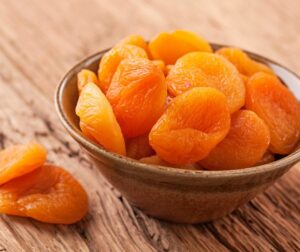
Dehydration is a straightforward method to preserve fruits by removing their moisture, which helps prevent spoilage. Start by selecting ripe or slightly overripe fruits, as they offer the best flavour. It’s essential to wash the fruits thoroughly to get rid of any dirt or pesticides. Cut the fruits into uniform pieces to ensure they dry evenly. For fruits that tend to brown, like apples or bananas, a splash of lemon juice or a sprinkle of ascorbic acid can help maintain their colour.
Spread the fruit pieces in a single layer on dehydrator trays or baking sheets, allowing for proper air circulation during the drying process. Monitor the drying time, as it can vary significantly depending on the type of fruit and the method used. Typically, dehydrating fruits takes about 6 to 8 hours in a dehydrator, while an oven may take up to 18 hours.
Once dried, it’s crucial to store the fruits in airtight containers to prevent moisture absorption. Label these containers with the date of drying for easy reference in the future.
Dried fruits are versatile and can be enjoyed as snacks, used in baking, or sprinkled on cereals. Don’t hesitate to experiment with different fruits to find unique flavour combinations that suit your taste.
- Select ripe fruits for best results, as they have the most flavour.
- Wash fruits thoroughly to remove any dirt or pesticides.
- Cut fruits into uniform pieces to ensure even drying.
- For fruits that brown easily, use lemon juice or ascorbic acid to maintain colour.
- Spread pieces in a single layer to allow proper air circulation.
- Monitor drying time closely, as it can vary by fruit type and method.
- Store dried fruits in airtight containers to prevent moisture absorption.
- Label containers with the date of drying for future reference.
- Dried fruits can be used in baking, snacking, or as toppings for cereals.
- Experiment with different fruits to discover unique flavour combinations.

2. Fermentation: Boosting Flavour and Nutrition
Fermentation is a fascinating way to preserve fruits while enhancing their flavour and nutritional value.
You can choose a variety of fruits such as apples, berries, and even cucumbers to create unique taste combinations. To start, prepare a salt brine solution with a concentration of about 2-3% salt.
This is key for successful fermentation, as it helps to create an environment where beneficial bacteria can thrive while keeping harmful bacteria at bay.
Once you’ve chopped or sliced your fruits, submerge them in the brine and place the mixture in a cool, dark spot. Keeping it away from light is crucial to avoid spoilage.
It’s a good idea to taste the mixture periodically to see how the fermentation is developing; this way, you can stop the process when it reaches your desired level of tanginess. Remember to use clean utensils and containers to prevent any unwanted bacteria from spoiling your efforts.
For storage, glass jars are the best option as they won’t react with the fermented fruits, unlike metal or plastic. Fermented fruits can add a delightful tangy element to your dishes, making them perfect for salads or as a topping for meats.
You can also experiment by adding spices or herbs during the fermentation process for an extra flavour boost. Plus, don’t forget to keep a fermentation journal to track your experiments and favourite recipes, which can help you refine your technique over time.

3. Fruit Leathers: Chewy Treats Without Sugar
Fruit leathers are a fantastic way to preserve surplus summer fruits while creating a chewy, naturally sweet snack. Start by selecting a mix of ripe fruits, balancing sweet and tart flavours for a delightful treat.
Common combinations include mango and banana or apple with a hint of cinnamon. Once you’ve chosen your fruit, wash and chop it into smaller pieces before blending it into a smooth puree. If you find the mixture too tart, consider adding a touch of natural sweetener, such as honey or maple syrup, to enhance the flavour.
Spread the puree evenly on dehydrator trays or lined baking sheets, ensuring it’s not too thick for consistent drying. Dry at around 140°F until the surface feels non-sticky, which may take anywhere from 6 to 18 hours depending on your method.
Once dried, cut the leather into strips or fun shapes for easy snacking. Store your fruit leathers in a cool, dry place, or freeze them for extended shelf life. Not only are these chewy treats a healthy option for kids and adults, but they also offer a wonderful way to enjoy summer’s bounty all year round.

Frequently Asked Questions
What are some easy ways to preserve excess summer fruits?
You can easily preserve excess summer fruits by making jams, freezing them, or drying them. Each method maintains the fruits’ flavours and nutrients.
How do I freeze summer fruits properly?
To freeze summer fruits, first wash and dry them, then cut them into smaller pieces if needed. Lay them out on a baking sheet to freeze individually before transferring them to an airtight container.
What is the best way to make homemade jam?
To make homemade jam, you’ll need to cook your fruits with sugar and a bit of lemon juice until it thickens. Pour the mixture into sterilised jars while hot and seal them properly.
Can I dry summer fruits at home?
Yes, you can dry summer fruits at home using an oven or a tucker dehydrator. Slice the fruits thinly, arrange them on trays, and dry them at a low temperature until they are completely moisture-free.
How long can I store frozen or dried fruits?
Frozen fruits can last for up to a year in the freezer, while dried fruits can be stored in a cool, dark place for about six months to a year, depending on storage conditions.