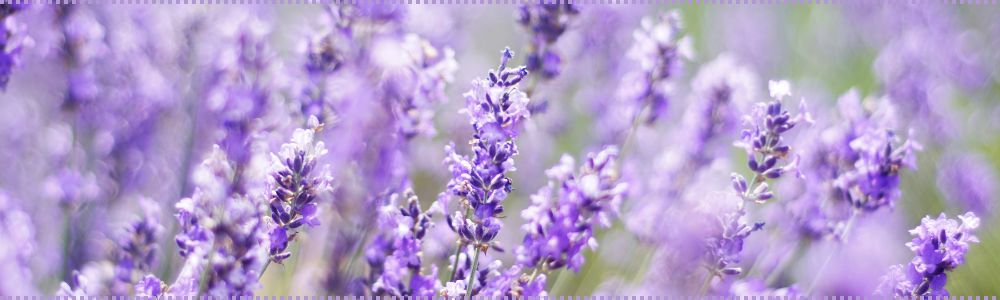
Lavender is a beautiful and fragrant herb that is relatively easy to grow.
Growing lavender offers a range of benefits, from its beautiful fragrance and visual appeal to its culinary, medicinal, and aromatherapy uses.
Growing lavender offers numerous benefits and rewards. Here are ten reasons why you should consider growing lavender:
Fragrance: Lavender is renowned for its captivating fragrance. The soothing and aromatic scent of lavender promotes relaxation, reduces stress, and enhances the ambiance of any space. The mere presence of lavender can create a calming atmosphere in your home or garden.
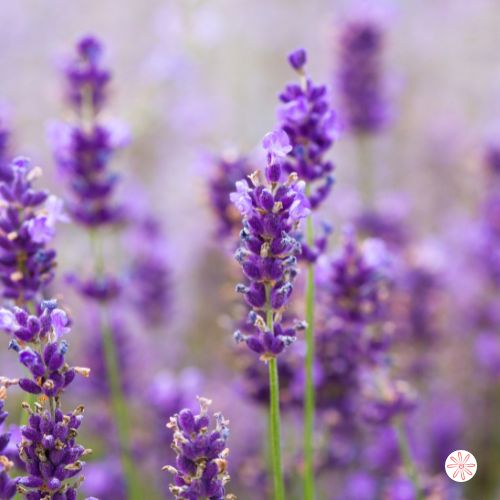
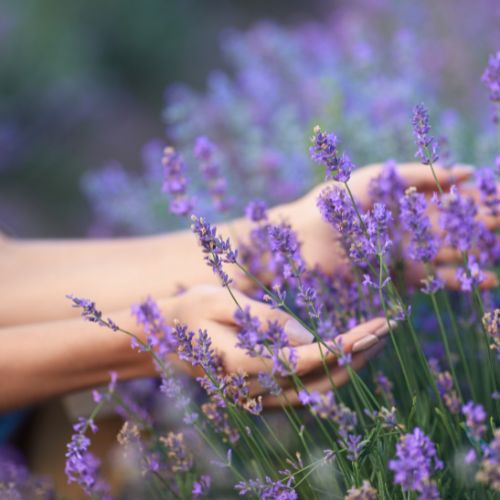
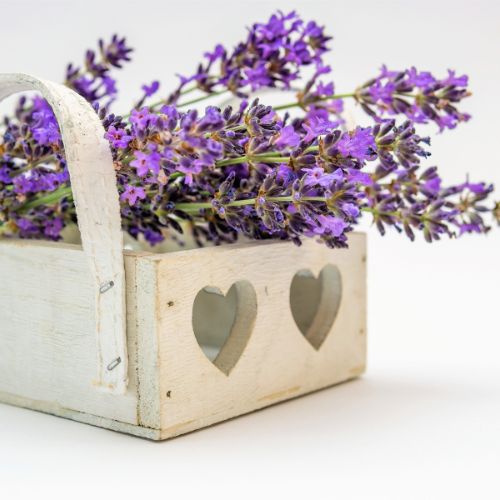
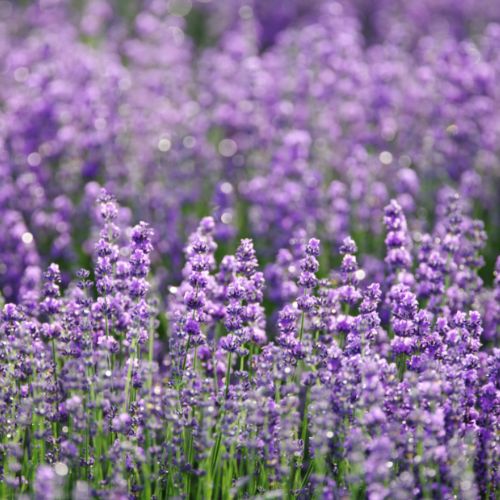
Beauty: Lavender plants are visually stunning with their delicate purple, pink, or white flowers and silver-green foliage. Whether grown in flower beds, borders, or containers, lavender adds an elegant touch to any landscape or garden design.
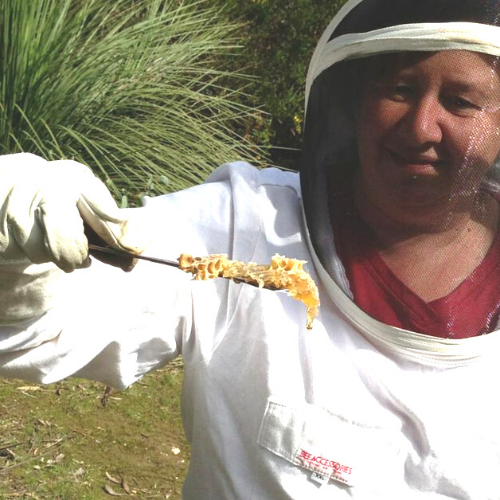
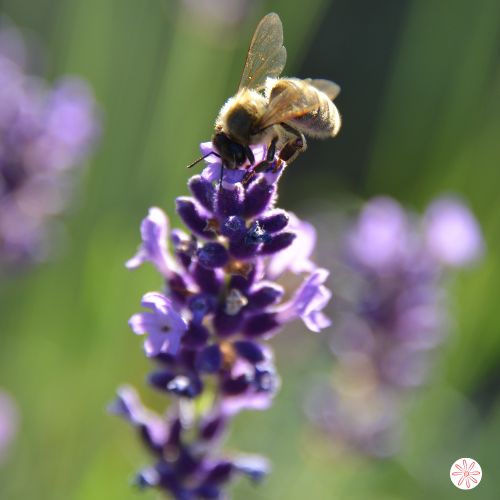
Pollinator attraction: Lavender flowers are highly attractive to pollinators, including bees, butterflies, and other beneficial insects. By growing lavender, you can support local pollinator populations and contribute to a healthy ecosystem in your garden.
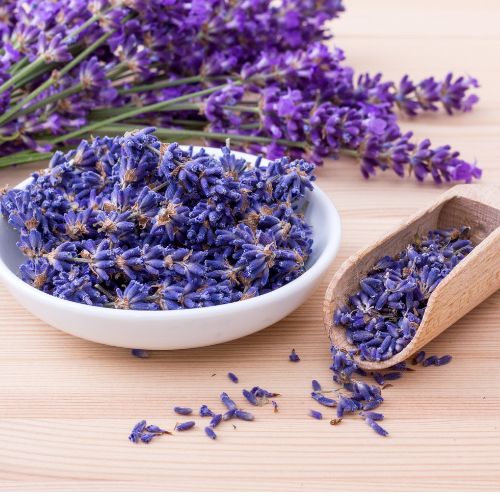
Culinary uses: Lavender is not only beautiful but also versatile in the kitchen. Lavender adds a delicate floral note and enhances the taste of various culinary creations. The flowers can be used to:
- infuse beverages
- flavour baked goods like scones and cakes
- create savoury dishes
- add a unique twist to homemade jams or ice creams.
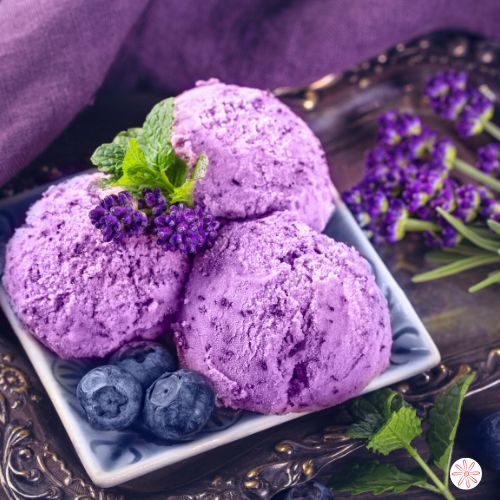
Medicinal properties: Lavender has a long history of medicinal use. Its essential oil is known for its calming and sleep-inducing properties. Lavender can be used to make natural remedies such as lavender oil, balms, salves, or herbal teas to help alleviate headaches, anxiety, insomnia, and minor skin irritations.
Aromatherapy: Lavender is a key ingredient in aromatherapy practices due to its soothing and relaxing effects on the mind and body. By growing lavender, you can harvest the flowers and make your own lavender sachets, potpourri, or essential oils for personal use or as thoughtful gifts.
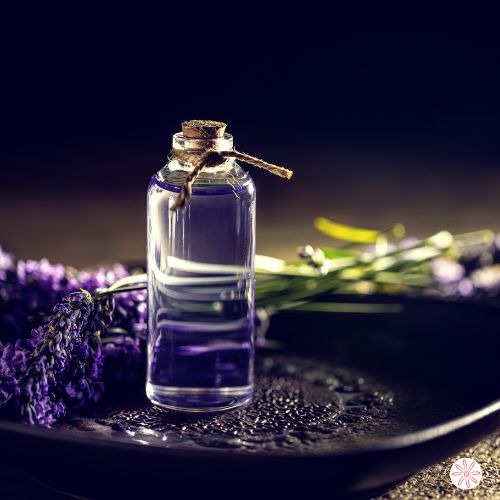
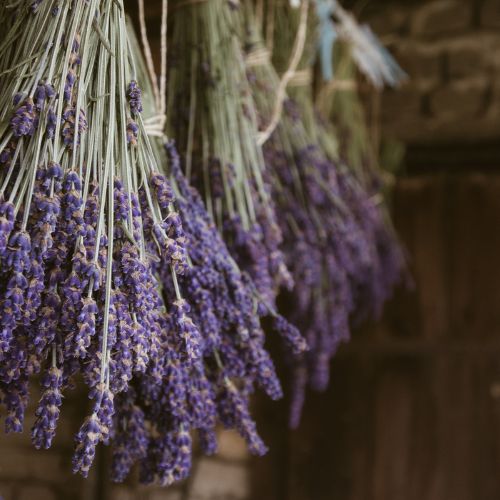
Dried arrangements: Lavender’s long-lasting blooms make it an excellent candidate for dried flower arrangements. Hang harvested lavender bundles upside down in a well-ventilated area, and once dried, they can be used in wreaths, bouquets, or as natural air fresheners.
Low-maintenance: Lavender is a hardy plant that requires minimal care once established. It thrives in sunny locations with well-draining soil, making it an ideal choice for low-maintenance gardens. Once established, lavender is drought-tolerant, reducing the need for regular watering.
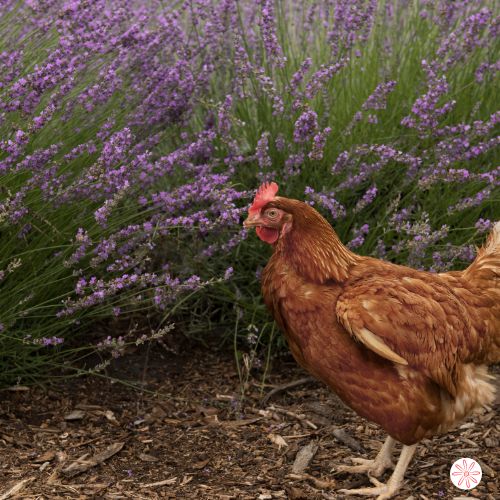
Pest deterrent: Lavender’s strong scent is known to repel certain pests, including mosquitoes, flies, and moths. By planting lavender strategically around outdoor seating areas or near entrances, you can naturally deter these unwanted insects without the need for chemical repellents. They are particularly good outside of your chicken run to help your chooks stay in top health.
Educational opportunities: Growing lavender provides a unique opportunity for educational activities. Whether for children or adults, cultivating lavender can be a hands-on learning experience about plant life cycles, gardening techniques, herbalism, or even entrepreneurship through lavender-based products.
Lavender loves a Mediterranean climate and will survive on minimal summer watering. Plant it in a sunny position and keep it well mulched, giving it a deep water once a week will keep it producing its beautiful blooms over summer.
While there are many different varieties of Lavender, that are available at your nursery, many of them will be hybridised. For scent and oil these are my two go to varieties.
Lavender angustifolia, also known as true or common lavender, is characterized by its compact growth, narrow grey-green leaves, and relatively short flower spikes. It’s ideal for creating informal hedges around vegetable gardens or paths, thriving in raised wall gardens, rock gardens, and herb gardens. Mass plantings of this lavender variety add vibrant color and delightful fragrance.
Lavender x intermedia, a hybrid of lavender angustifolia, is slightly less hardy but boasts taller plants with mounds of grey foliage and long, loose flower spikes. These lavender plants thrive in hot, dry climates and are commercially cultivated for their high oil yield. For optimal use, they should be dried whole and incorporated into potpourris or culinary dishes.
Both will reward your efforts in the garden with fragrance, flavour, pollination and hardiness. And both can be used for all sorts of things!