Preparing your garden for drought conditions in Australia involves several practical steps. First, understand your local climate by checking weather patterns and drought history through resources like the Australian Bureau of Meteorology.
Choose drought-resistant plants, especially native ones like Kangaroo Paw or Grevillea, as they adapt better to dry spells. Improve soil health with organic matter to help retain moisture and apply mulch to reduce evaporation.
Efficient watering practices are key; water deeply but less often, ideally in the early morning, and consider drip irrigation systems. Grouping plants by water needs can also help, along with creating windbreaks to limit evaporation effects.
1. Understand Your Local Climate in Australia
To effectively prepare your garden for drought conditions, it’s crucial to understand the specific climate of your region in Australia. Start by familiarizing yourself with the local weather patterns, seasonal changes, and historical drought events.
This can help you anticipate dry spells and plan accordingly. The Australian Bureau of Meteorology provides valuable data on rainfall averages, temperature fluctuations, and drought forecasts. By staying informed about these factors, you can make better choices for your garden and select plants that are more likely to thrive in your local conditions.
2. Choose Drought-Resistant Plants for Your Garden
Selecting the right plants is crucial for a drought-resistant garden. Native Australian plants are excellent choices because they have adapted to the local climate and require less water. For example, Kangaroo Paw and Grevillea not only thrive in dry conditions but also attract local wildlife. Eucalyptus trees are drought-tolerant and provide shade, while Acacia species can help improve soil health. Additionally, incorporating succulents such as Aloe and Crassula can add variety and texture to your garden without demanding much water. Mixing these plants into your landscape can create a resilient garden that flourishes even during dry spells.
| Plant Name | Type | Water Requirements |
| Kangaroo Paw | Native Plant | Low |
| Grevillea | Native Plant | Low |
| Eucalyptus | Native Plant | Moderate |
| Acacia | Native Plant | Low |
| Succulents | Drought-Tolerant | Very Low |
3. Prepare Your Soil for Better Moisture Retention
To enhance your garden’s ability to retain moisture, start by improving your soil’s health. Mix in organic matter such as compost or well-rotted manure, as these materials create a sponge-like effect, helping the soil hold onto water more effectively.
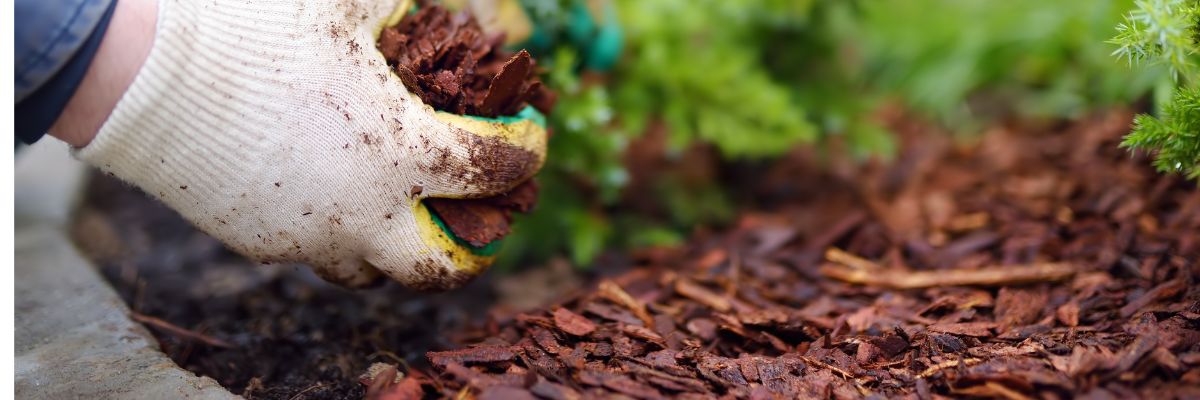
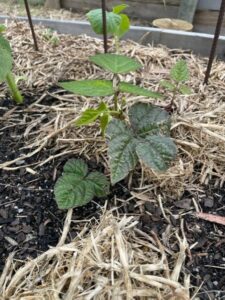
Applying a layer of mulch—like wood chips, straw, or grass clippings—around your plants can significantly reduce evaporation. Mulch not only keeps the soil temperature stable but also suppresses weeds that compete for moisture.
Another effective practice is to consider incorporating soil amendments, like clay or organic gels, which can further boost moisture retention. By preparing your soil properly, you set a solid foundation for your plants to thrive, even during dry spells.
4. Implement Efficient Watering Practices
Watering effectively is crucial during drought conditions. One of the best practices is to water deeply but infrequently. This approach encourages plants to develop deep root systems, allowing them to access moisture from deeper layers of soil. Early morning is the ideal time to water, as it reduces evaporation losses caused by the sun’s heat.
Consider installing a drip irrigation system, which delivers water directly to the base of each plant. This method minimizes water wastage and ensures that the moisture reaches the roots where it’s needed most. Drip systems can be set on timers to automate the process, making it easier to maintain a consistent watering schedule even during busy periods.
Additionally, use water-saving techniques like using greywater from baths or sinks, if permitted, to keep your garden hydrated without straining your water supply. By adopting these efficient watering practices, you can significantly enhance your garden’s resilience to drought while conserving precious water resources.
- Water in the early morning or late afternoon to reduce evaporation.
- Use drip irrigation systems to deliver water directly to the roots.
- Apply mulch to retain soil moisture and reduce water loss.
- Utilize watering cans or soaker hoses for targeted watering.
- Monitor soil moisture levels regularly to avoid over-watering.
- Group plants with similar water needs together to optimize watering efficiency.
- Consider using greywater systems for sustainable watering.
- Consider leaving small amounts of water in bird baths for birds and bees to access.
5. Create Windbreaks to Protect Your Garden
Creating windbreaks is essential for protecting your garden from strong winds that can increase evaporation rates and stress your plants during drought conditions. One effective way to establish windbreaks is by planting hedges or shrubs around the perimeter of your garden.
Native Australian species like Acacia or Grevillea work well, as they are adapted to the local climate and can withstand dry spells. they also provide protection and food for native birds Alternatively, you can install physical structures such as fences or trellises, which can act as barriers against harsh winds. These windbreaks not only reduce wind speed but also create a microclimate that retains moisture and supports plant growth.

When designing your windbreaks, consider the height and density of the plants or structures, ensuring they are tall enough to provide adequate protection without shading your garden too much. Properly placed windbreaks can make a significant difference in how well your garden copes with drought conditions.
6. Design Your Garden with Drought in Mind
When designing your garden with drought in mind, it’s crucial to group plants with similar water needs together. This method, known as hydrozoning, allows for more efficient watering and helps prevent overwatering or underwatering. Additionally, incorporating hardscaping elements like paths made of stone or gravel can reduce the exposed soil surface, minimizing evaporation. Consider using raised beds or terracing, which can help with drainage and retain moisture more effectively.
Incorporating a variety of textures and colours through drought-resistant plants can also enhance your garden’s visual appeal while ensuring sustainability. For instance, pairing the vibrant flowers of Kangaroo Paw with the striking foliage of succulents creates a beautiful contrast that thrives in dry conditions.
Finally, plan your garden layout to include shaded areas that can protect more delicate plants from the harsh sun, further reducing their water needs.
7. Monitor Your Garden and Adapt Practices
Regularly check the health of your plants to see how they respond to drought conditions. Look for signs of stress, such as wilting or yellowing leaves, which indicate that your plants may need more water or care. Adjust your watering schedule based on rainfall and temperature changes; for instance, during a heatwave, your garden may require more frequent watering.
Keep track of which plants thrive in dry spells and which struggle. This observation will help you make informed decisions about future plant choices. For example, if you notice that certain native plants like Kangaroo Paw are flourishing while others are not, consider focusing on varieties that are more drought-resistant in the future.
Be flexible and willing to adapt your practices based on what works best in your garden.
8. Consider Rainwater Harvesting Solutions
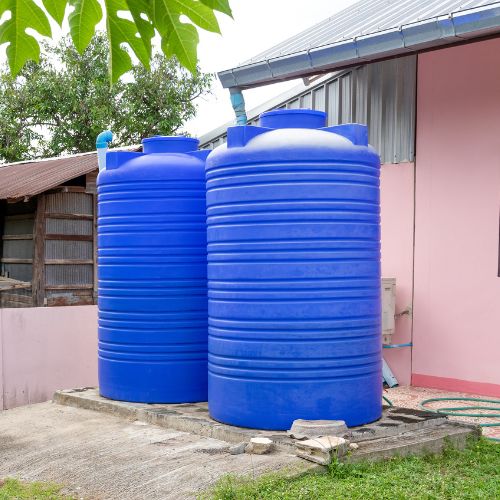
Installing rainwater harvesting systems can be a game-changer for your garden during drought conditions. Collecting rainwater not only conserves a precious resource but also provides you with a sustainable water source for irrigation. You can start by setting up water tanks or barrels under your downspouts to capture runoff from your roof. Make sure to choose tanks that are durable and suited for outdoor use. They can range from as little as 1,000 litres up to large 200,000 litre tanks. You just need to have some space for those!
Using a simple filtration system will help keep the water clean for your plants. Additionally, consider using a drip irrigation system connected to your rainwater tank. This method delivers water directly to the roots, ensuring that your plants receive the moisture they need without excessive waste.
By implementing these systems, you can significantly reduce your reliance on mains water, especially during the dry months in Australia.
9. Educate Yourself on Drought Management
Understanding drought management is crucial for any gardener facing dry conditions. Start by attending local workshops or community programs that focus on sustainable gardening practices.
These events often provide hands-on experience and insights from experts. You can also find valuable information online through gardening forums, your local permaculture group and websites dedicated to drought resilience. For instance, many Australian universities and agricultural organizations publish research and tips on managing gardens during droughts.
Additionally, consider joining local gardening clubs where members share their experiences and strategies for coping with dry spells. Engaging with your community not only enhances your knowledge but also fosters a network of support for navigating drought challenges together.
10. Stay Informed About Local Gardening Resources
Staying informed about local gardening resources is crucial for successfully managing your garden during drought conditions. In Australia, various agricultural agencies and gardening clubs offer valuable insights, tailored advice, and support for local gardeners.
Consider subscribing to newsletters or joining online forums where you can exchange tips and experiences with fellow gardeners.
Local environmental groups often provide workshops and seminars focused on drought management and sustainable practices. Additionally, keep an eye on social media groups where local gardening enthusiasts share their successes and challenges.
This community knowledge can help you adapt your gardening techniques and make informed decisions about plant choices and water management strategies.

Frequently Asked Questions
1. What are some signs that my garden is affected by drought?
Signs of drought in your garden include wilting plants, dry soil that cracks, and leaves turning brown or crispy.
2. How can I improve my soil to help my garden withstand drought?
You can improve your soil by adding organic matter like compost, which helps retain moisture and provides nutrients to plants.
3. What types of plants are best for drought conditions?
Drought-resistant plants such as succulents, lavender, and native grasses are great choices as they require less water.
4. How often should I water my garden during a drought?
During a drought, it’s best to water deeply but less frequently, aiming for about once a week, to encourage deep root growth.
5. What mulching techniques can help my garden during drought?
Applying a thick layer of mulch around plants can help retain moisture, reduce evaporation, and keep the soil temperature stable.
TL;DR Prepare your garden for drought conditions in Australia by understanding your local climate, choosing drought-resistant plants, improving soil for moisture retention, implementing efficient watering techniques, creating windbreaks, designing your garden thoughtfully, monitoring its health, considering rainwater harvesting, educating yourself on drought management, and staying informed about local resources.