Conserving water during a drought is essential, especially in Australia. First, always fix any leaks in taps or toilets; even small drips can add up over time. Investing in water-saving appliances like dishwashers and washing machines with high WELS ratings is a smart move.
Installing rainwater tanks helps collect water for various uses, which reduces reliance on mains supply.
When gardening, choose native plants that need less water and apply mulch to keep the soil moist longer. Water your garden early or late to reduce evaporation and try using a broom instead of a hose for cleaning outside.
During droughts, limit outdoor watering and consider greywater systems for irrigation.
1. Fix Leaks to Save Water
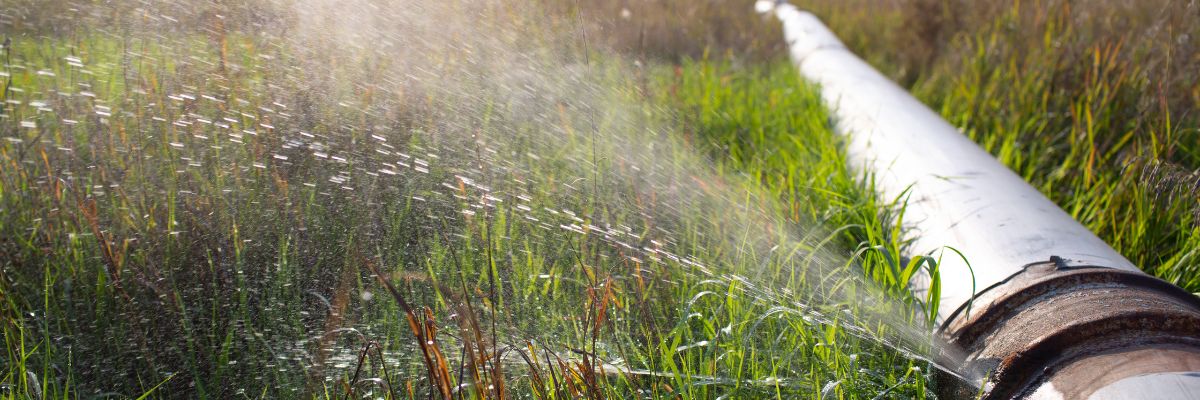
Checking for and fixing leaks is one of the easiest ways to conserve water, especially during a drought. A small drip from a tap might seem trivial, but it can waste more than 20 litres of water a day.
Toilets can also be major culprits; a leaking toilet can waste hundreds of litres daily. To identify leaks, regularly inspect your taps, pipes, and toilets. You can perform a simple test by adding food colouring to your toilet tank; if the colour seeps into the bowl without flushing, you have a leak.

Repairing leaks not only conserves water but also saves money on your water bill.
2. Use Water-Saving Appliances
Investing in water-saving appliances can lead to significant reductions in water usage. Look for dishwashers and washing machines that are specifically designed to use less water per cycle. For example, many modern dishwashers can use as little as 10 litres of water per load, compared to older models that may consume up to 20 litres.
When purchasing these appliances, check for a high WELS (Water Efficiency Labelling and Standards) rating, which indicates better water efficiency. Additionally, consider installing low-flow showerheads and taps, which can greatly reduce water usage without sacrificing performance.

By making these upgrades, households not only save water but also lower their water bills, making it a smart investment during drought conditions.
|
Tip |
Description |
|
Fix Leaks |
Regularly check for and repair leaking taps, toilets, and pipes. Even a small drip can waste a significant amount of water over time. |
|
Use Water-Saving Appliances |
Invest in water-efficient appliances such as dishwashers and washing machines that use less water per cycle. Look for products with high WELS ratings. |
|
Install Water Tanks |
Collect rainwater in tanks for use in gardens, flushing toilets, or washing cars. This reduces reliance on mains water and helps conserve water during drought periods. |
|
Choose Drought-Resistant Plants |
Choose native and drought-resistant plants for gardens. These plants typically require less water and are better suited to the Australian climate. |
|
Apply Mulch to Retain Moisture |
Apply mulch around plants to retain moisture in the soil. This practice reduces evaporation and keeps plants hydrated longer between watering. |
|
Water Wisely |
Water gardens and lawns during early morning or late evening to minimize evaporation. Use a broom instead of a hose to clean driveways and pathways. |
|
Limit Outdoor Water Use |
During drought conditions, limit or avoid watering lawns and gardens. Consider using greywater systems for irrigation, which can recycle water from baths, sinks, and washing machines. |
3. Install Water Tanks for Rainwater
Installing water tanks to collect rainwater is an effective way to conserve water during a drought. In Australia, where rainfall can be unpredictable, having a rainwater tank allows households to capture and store water for various uses.
This water can be used for watering gardens, flushing toilets, and even washing cars, significantly reducing the dependency on mains water. For example, a typical 5,000-litre rainwater tank can capture thousands of litres of water during a heavy rain event, providing a valuable resource during dry spells.
Additionally, using rainwater helps to alleviate pressure on the local water supply, promoting sustainable water use in your community.
4. Choose Drought-Resistant Plants
Choosing drought-resistant plants is a smart way to conserve water during a drought, especially in Australia where the climate can be quite harsh.
Native plants, such as kangaroo paw, grevillea, and bottlebrush, are well-adapted to local conditions and require less water than exotic species. These plants have deep root systems that allow them to access moisture from deeper soil layers, making them more resilient during dry spells.
Additionally, incorporating succulents and other drought-tolerant varieties in your garden can further reduce water usage. By selecting these kinds of plants, not only will you create a stunning landscape, but you’ll also contribute to water conservation efforts.
5. Apply Mulch to Retain Moisture
Applying mulch around your plants is a simple yet effective way to retain moisture in the soil. Mulch acts as a barrier against evaporation, which is especially crucial during dry spells. It can be made from organic materials like bark, straw, or grass clippings, or inorganic materials like gravel or pebbles.
For example, a thick layer of straw not only keeps the soil moist but also helps suppress weeds that compete for water. Additionally, as organic mulch breaks down, it enriches the soil, promoting healthier plant growth.
By keeping the soil cooler and more hydrated, mulch can significantly reduce the frequency of watering needed, making it a valuable tool during drought conditions.
6. Water Wisely to Reduce Evaporation
To make the most of the water you use, timing is crucial. Water your gardens and lawns early in the morning or late in the evening when temperatures are cooler. This strategy minimizes evaporation caused by the sun and heat, allowing more water to soak into the soil.
For example, watering at dawn can ensure that plants get the hydration they need without losing much to the atmosphere.
Additionally, instead of using a hose to clean driveways and pathways, consider using a broom. This simple switch not only saves water but also helps keep your outdoor spaces tidy without wasting this precious resource.
- Water during the cooler parts of the day, such as early morning or late afternoon.
- Use drip irrigation systems to deliver water directly to the roots of plants.
- Avoid watering on windy days to reduce evaporation.
- Apply water-efficient technologies like soaker hoses.
- Monitor weather forecasts to adjust watering schedules accordingly.
- Use a rain gauge to measure how much precipitation has fallen.
7. Limit Outdoor Water Use During Drought
During drought conditions, it’s crucial to limit or completely avoid watering lawns and gardens. Consider alternative solutions like using greywater systems, which recycle water from baths, sinks, and washing machines for irrigation.
This not only conserves fresh water but also helps maintain your garden’s health. For instance, using greywater to water drought-resistant plants can keep them thriving without tapping into precious mains water. Another effective strategy is to reduce the frequency of watering; instead of daily watering, opt for every few days, allowing the soil to absorb moisture better. Additionally, if your garden has areas that are not frequently used, consider letting them go brown. This practice can significantly lower your overall water use and is a natural response to drought conditions.
8. Focus on Australian Conditions for Water Conservation
Australia faces unique challenges when it comes to water conservation, especially during droughts. With its diverse climates, from arid deserts to tropical regions, understanding local conditions is crucial. For example, in areas like Western Australia, where rainfall is sparse, residents should consider building a rain garden that captures and utilises stormwater runoff.
In Queensland, homeowners might focus on creating swales or contour gardens to direct water flow and reduce runoff. Additionally, using local materials for landscaping can further enhance water retention.
Incorporating local knowledge and practices not only helps in conserving water but also promotes a sustainable approach to gardening and landscaping that is well-suited to the Australian environment.
Frequently Asked Questions
1. What are some simple ways I can save water at home during a drought?
You can save water by taking shorter showers, turning off the tap while brushing your teeth, fixing leaks, using a broom instead of a hose to clean driveways, and only running the dishwasher or washing machine with full loads.
2. How can I water my plants without wasting water?
Water your plants early in the morning or late in the evening to reduce evaporation, use a drip irrigation system, collect rainwater, and choose drought-resistant plants that need less water.
3. Is it okay to water my lawn during a drought?
During a drought, it’s best to avoid watering your lawn unless it’s absolutely necessary. If you do water, try to limit it to once a week and only for a short time.
4. What can I do to conserve water while cooking?
You can conserve water by only boiling the amount you need, using a pot lid to reduce cooking time, washing fruits and vegetables in a bowl instead of under running water, and reusing the water from boiling pasta for soups or sauces.
5. Why is conserving water important during a drought?
Conserving water during a drought helps to ensure that there is enough water for essential needs, helps protect the environment, and supports local water supplies to avoid severe shortages.
TL;DR To conserve water during a drought in Australia, fix leaks, use water-saving appliances, install rainwater tanks, choose drought-resistant plants, apply mulch to retain soil moisture, water wisely to reduce evaporation, and limit outdoor water use.