If you are anything like me, you are already planning which fruit trees you will buy when the bare rooted trees are in stock at your local nursery, or you are scouring the catalogues or online stores to find just the right variety for your spot.

Knowing how to calculate your chill hours will make selecting the right tree even easier.
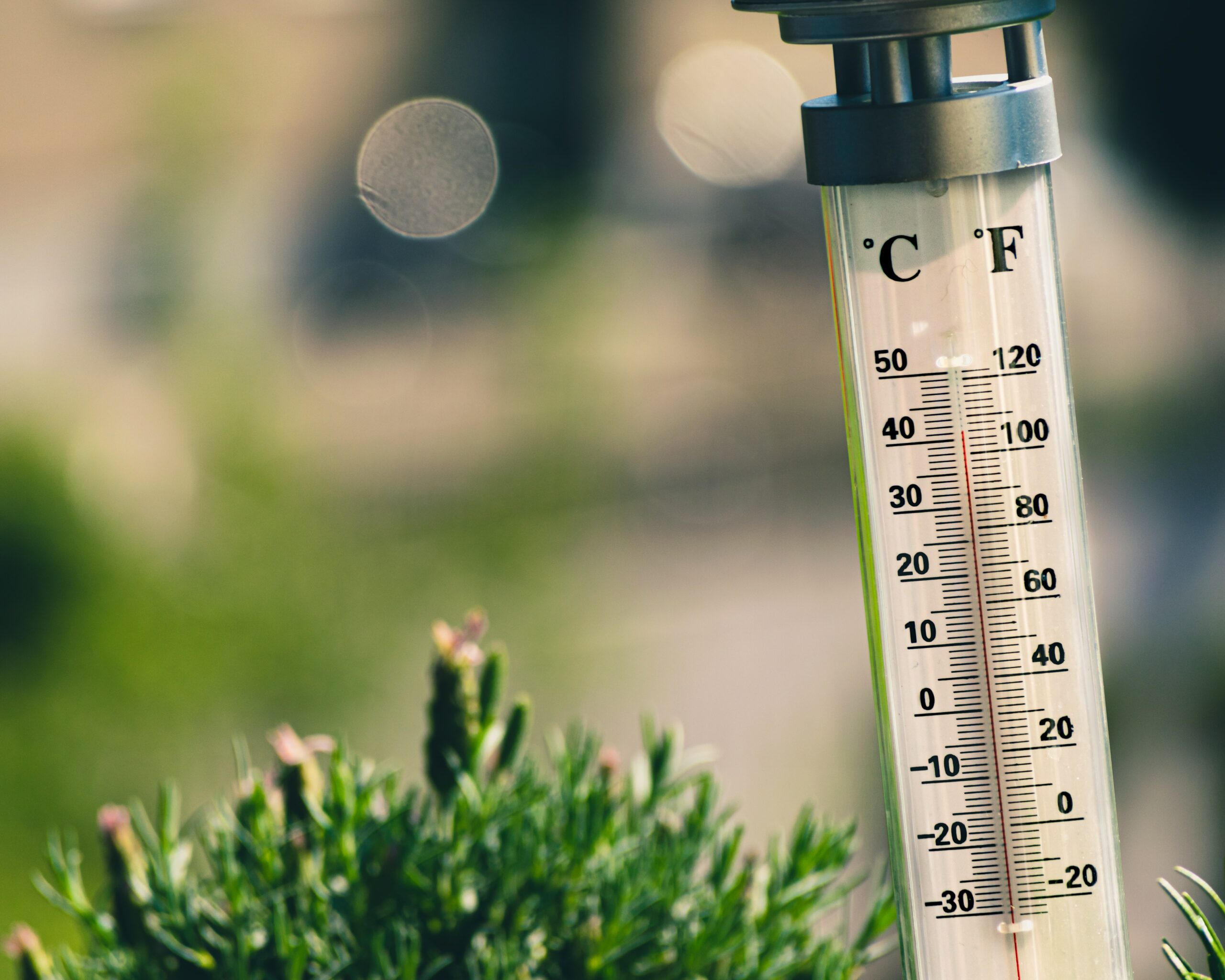
Chill Hours is a calculation of how much time your fruit trees spend below 7 deg C per year. Knowing how many chill hours you get in your location each year will help you to choose the right sorts of fruit trees that will succeed in your garden.
In late Summer and Autumn, as the days become shorter and cooler, deciduous fruit trees such as stone fruit stop growing, start storing energy, the buds go dormant, they lose their leaves and enter a state of healthy dormancy which protects them from the freezing temperatures of winter.
This dormancy is triggered by a certain minimum exposure to chilling temperatures. Lack of such exposure results in delayed and substandard foliation, flowering and fruiting .For example, cherries, nectarines, plums need different chill hours to fruit vigourously.
Once the plant is dormant, a deciduous fruit tree will not resume normal growth, including flowering and fruit set, until it has experienced an amount of cold equal to its minimum “chilling requirement” followed by a certain amount of heat.

Fruit tree varieties all have different chilling requirements and range widely from one variety to another. If a fruit tree is grown where winter cold is insufficient to satisfy the variety’s chilling requirement, blooming and foliation will be delayed and erratic and fruit set and quality will be poor.
Chilling that exceeds a fruit tree’s minimum requirement can lead to a stronger bloom and, potentially a heavier crop. A disadvantage of heavier crops is they require more thinning to get the best fruit quality and size. If you are a home fruit grower you may actually prefer moderate crops and less thinning work up front.
A fruit variety’s chilling requirement is a key determinant of where it will consistently produce satisfactory crops of fruit. So, how do we measure chilling?
To calculate the chill hours at your place, if you are in Australia you can use the BOM website – they have historical Climate data online (http://www.bom.gov.au/climate/data/?ref=ftr).
Choose Data About “Weather & Climate” from the drop down list.
Type of Data: Statistics – Monthly
Weather Station – type in your locality or suburb and then choose the nearest matching town.
Nearest Bureau stations: Choose the one closest to your address, or with the most similar climate
Get the Data: Add in the Station Number and click Get Data
When the table shows, it will include Mean Maximum Temperature and Mean Minimum Temperature at the top of the table. Find the month with the lowest Monthly Mean Temperature which is usually in July but sometimes June or August in Australian southern suburbs, but of course this will vary depending on where you live.
Then find the mean maximum temperature for the same month.
For example in my location, the mean minimum temperature occurs in July and is 6.6°C. The mean maximum temperature in July is 15.5°C.
Add these two numbers together and divide them by 2, to give you the average temperature in the coldest month. So, for my location, this looks like this:
6.6 +15.5 = 22.1°C
22.1/2 = 11.05°C
Then using the table below you can find your chill hours:
| Average Temperature for Coldest Month | Chill Level | Chill Hours |
| 19.7 º C | No Chill | 0 |
| 15.5 º | Low Chill | 300 |
| 15.3 º | Low Chill | 330 |
| 14 º | Medium Chill | 450 |
| 13.6 º | Medium Chill | 500 |
| 13.1 º | Medium Chill | 520 |
| 12.7 º | Medium to High Chill | 600 |
| 10.2 º | High Chill | 800 |
| 7.9 º | High Chill | 1100 |
| 0 º | Very High Chill | 1250 |
My location’s chill factor is medium to high chill with between 600 – 800 chill hours per year.
If you are in the USA, you can find this information by going to the National Climatic Data Center, click here.
Select data for Maximum Temperature of your location and Minimum Temperature of your location. As before, add the two together then divide by two. Use the above table to calculate your chill level and hours.
Here are the chill hours required by some of your favourite summer stone fruits:
| Variety | Chill Hours required |
| “Snow Queen” Nectarine | 650 |
| “Snow Zee” Nectarine | 900 |
| “Fairlane” Nectarine | 700 |
| “Early O’Henry” Peach | 900 |
| “Maycrest” Peach | 600 |
| “Santa Rosa” Plum | 150 |
| “Fuji” Apple | 200-300 |
| “Royal Gala” Apple | 300-400 |
| “Florda Gold” Peach | 300 |
It’s always a good idea, when considering your purchase to talk to a local nursery person. They will know the chill hours of local areas and are in the best position to advise you what will grow well in your part of the world.
If you live in a part of the world that gets low chill hours (that is, not very many chill hours – a slightly warmer climate), there is a great list here that gives you a range of low chill fruit that you can try.

It is heartening to see that there are even several varieties of blueberries which are worth searching out if you need low chill requirements as they can be grown in areas of low chill hours:
- Emerald (150)
- Misty (150)
- Pink Lemonade (200)
- Sharpblue (150)
- Sunshine Blue (200)
If you are growing plants with a chill hour requirement that matches your area, yet are still not getting good fruit set, then you may need to consider additional factors that affect fruit set including:
- the age of the tree
- the nutrition that has been supplied to it during its growing period
- availability of compatible pollen
- what the weather was like during blooming
- if it has been really windy you may get less fruit set
- rain can have a detrimental effect too.
Talk to your neighbours who grow fruit trees and compare notes – you may discover that in any given year you all have the same issues and you may discover someone who has a solution or who has tried something new to get good fruit set. And they may well share their ideas with you!