
Planning Summer Meals
We’ve had a great lot of rain this winter and we have plenty in storage so I am hoping I have enough water to get us through a summer of intense vegetable growing!
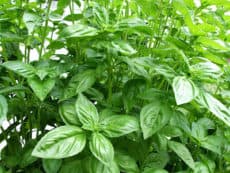
This morning I pulled out the seed box and filed through the wads of seed packets. Envelopes of seeds saved from last summer’s pumpkins, mail order peas and beans, zucchini seeds, spanish capsicums and sweet basil all made the cut for the first planting of the season.
Armed with those, I headed out to our nursery, which is fenced off to protect it from all sorts of animals, in particular kangaroos and nosy border collies.
I cleaned up the plastic box which was originally used for underbed storage and set about filling some seed raising trays with seed raising mix. I watered all the mixture with diluted weed tea which has been brewing for around 3 years (yes that’s right – 3 years!).
It should be so full of delicious microbes and beneficial goodies that those seedlings just about jump out of the soil! The plastic box becomes a mini-greenhouse to protect those seeds from the decidedly cold nights we are still having, despite being nearly October (last night it was just under 7 degrees Celsius at around 10pm).
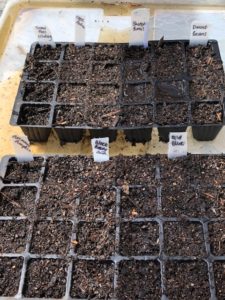
I used old milk bottles for labels – a really easy way to re-use a recyclable resource before it goes into recycling. And that way I remember what I planted – specifically what varieties I planted. I can tell a pumpkin from a pea, but I never remember which variety I planted, so thought I would help out my future forgetful self and write it down with permanent marker!
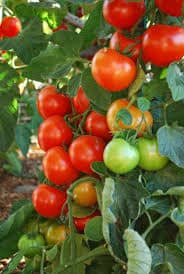
There is something special about that first spring planting and planning for summer vegetables. Not only are summer vegetables my favourite – who doesn’t love tomatoes picked fresh from the garden on their summer salad?
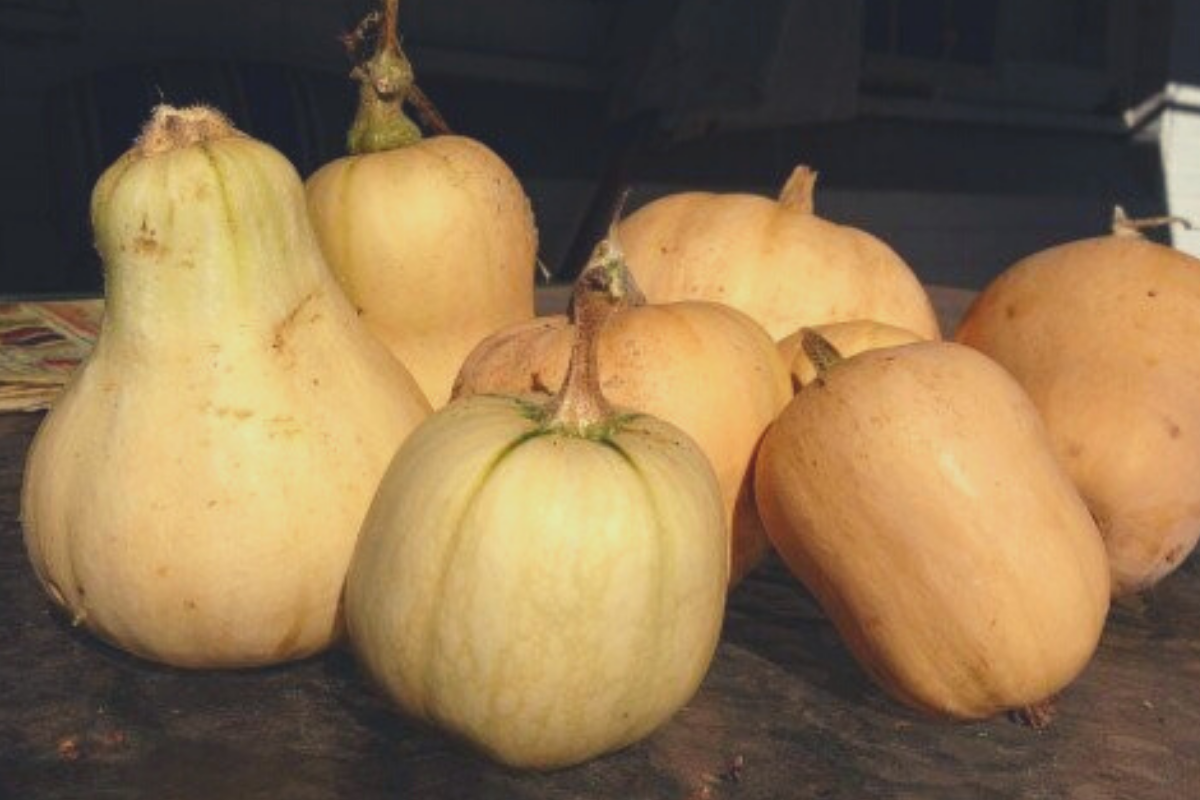
The sense of satisfaction when autumn comes along and there are pumpkins galore for that first flush of soup making. Sure I grow vegetables in winter, but honestly I never get as excited about cauliflower, onions, garlic or cabbage as I do about tomatoes and basil.
I will plant some more seedlings in a couple of weeks, that way I will keep the produce coming. In the meantime, I have had a pair of industrious chooks working over my spare garden beds, I’ve been out pulling winter’s spent silver beet and the weeds that have crept up in between the winter crops.
The chooks are getting plenty of hand-selected greens in their diet and their eggs are golden and delicious.
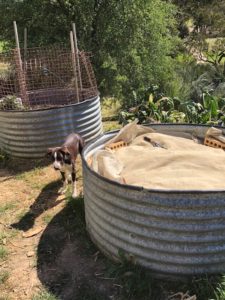
These seedlings I am planning to grow will be grown in raised beds made from old rainwater tanks. Because they are made from metal the soil warms up earlier so I can get started sooner.
I checked the soil temperature this morning, around 10am with my new soil thermometer and discovered that the bed with mulch and shade cloth over it (trying to encourage the soil to stay damp and bring more worms) is only at 14 degrees Celsius.
The bed which is not mulched, from which I have just removed last summer’s sorrel and which the chooks have worked over for me over three or four days is already at 16 degrees Celsius.
That’s tomato planting temperature! Did you notice that I didn’t say I planted tomato seeds? To my horror I discovered that I didn’t save any tomato seeds last summer – I have no idea why – perhaps we just got busy with other things on the farm. Luckily I have a friend who grows and sells organic tomato seedlings so I will be able to buy some from her.
Now that I know the temperature in the soil is right – and I didn’t grow tomatoes in that bed last year, I can get some seedlings straight into the ground. Although I love growing things from seeds, sometimes seedlings just speed the whole process up when I’m busy.
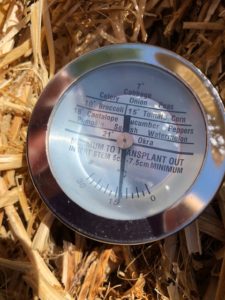
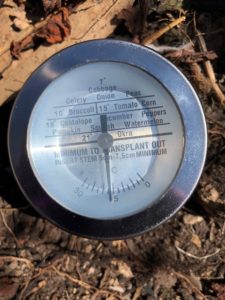
These are some of the raised beds I use to grow vegetables. Most of them have no bottom so they sit straight on the soil beneath them. The ring that was originally the bottom of the rainwater tank has holes drilled into it to ensure great drainage.
Oh and that’s one of my nosy border collies, supervising my every move!
Thinking about what you will have for lunch in the middle of January seems a bit absurd in spring, but your forward thinking and early planning will pay off in the heat of summer.
What foods do you love to eat? What grows well in your climate? These are the things you should be starting to think about planting in your food garden as the days get longer and start to warm up.
While you are planning, also consider where you will grow each variety of vegetable. It is sensible to consider following a crop rotation plan to keep pests and diseases to a minimum.
It’s also wise to choose at least two different varieties of each type of vegetable you want to grow, as some will like the conditions you have created in your garden beds better than others.
This may also give you an extended harvest time, more variety in your diet and an opportunity to eat some varieties which may not be available in local food places or markets.
There is just nothing like the taste of a still warmed-by-the-sun tomato on top of fresh lettuce picked 5 minutes ago to create the foundation of a great salad or a freshly harvested and roasted pumpkin, drizzled with balsamic vinegar served with a fresh variety of leafy greens picked straight from your patch!